Thought Pieces / Sep 1, 2026
What Dolly Can Teach Us About Trust
If you can be like anyone, be like Dolly.
Even—and especially—if you talk about public health and health justice.
Through six decades of public life, she showed us how to follow a moral compass, connect where others couldn’t, and talk about tough realities in ways that sparked empathy and action.
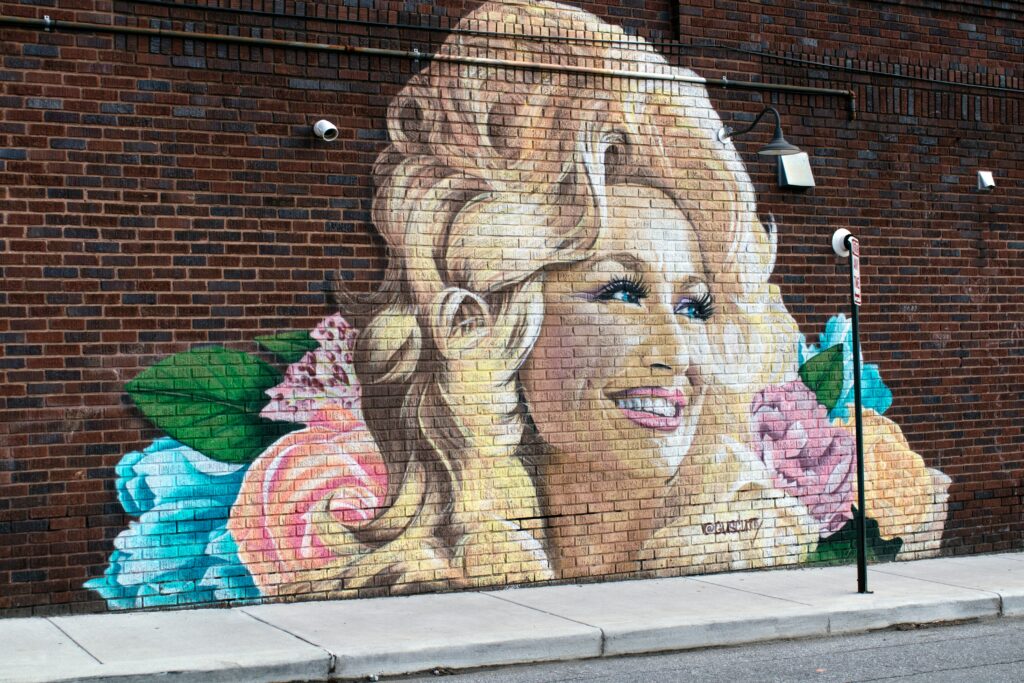
Here are 5 lessons about building trust we can take from the Queen of Country:
1. Build a steady, reliable presence.
Trust is earned over time. Dolly maintained an accessible, uninterrupted relationship with the public for over 60 years. Sure, she showed up during moments of intense need. Those crisis-response efforts were welcomed because she was already a steady fixture in people’s lives. Public health can refill reservoirs of trust through a continuous flow of interaction in everyday community life.
2. Collaborate often, with lots of folks – and do it well.
Dolly partnered seamlessly across boundaries—teaming up not only with musicians across genres, but also school districts, libraries, hospitals, and medical researchers. She approached collaboration with an eye toward the partner’s unique strengths. (Think: inviting Lizzo to contribute a flute solo, not just a vocal track, and celebrating Beyonce for flipping the script of “Jolene.”) Public health can follow her lead by building both obvious and unexpected partnerships, and by showing up in them in ways that leave our partners feeling seen.
3. Don’t be afraid to show people your moral compass.
Dolly’s moral compass pointed steadily toward dignity, love, and respect for everyone—especially the underdogs or those “othered” by society. She never shied away from speaking to her values, but never sounded preachy or partisan. Those of us who work toward health justice can do the same, elevating our cherished principles in ways that are inviting and inspiring, not alienating.
4. Bring genuine humility to your work.
My favorite thing about Dolly was that she was a woman who built an entire theme park on the theme of…herself! Yet Dolly never sounded like she thought she was better than others, or that she knew best. She was quick to take responsibility when she caused harm, and even quicker to celebrate artists who built on her work. In all of these ways, Dolly showed that trust is more readily extended to those who speak from a place of genuine humility rather than hierarchy.
5. When the topic is tough, make it plain and put it in a story.
Dolly didn’t use big words for big challenges. Her songs tackled workplace exploitation, rural poverty, social isolation, and more – but through stories about working 9 to 5, a coat of many colors, and connecting with a loner named Joshua. By linking everyday experiences to well-being, she made it obvious how living conditions shape our lives. Public health can adopt this same vivid, story-driven approach—swapping specialized phrasing for relatable examples and stories that make the social dimensions of health clear to everyone.
We can’t all pull off wigs and rhinestones, but we can all learn to communicate a little more like Dolly: with consistency, warmth, moral clarity, and a can’t-quit habit of storytelling that uplifts the value of every person. 🦋

Issues: Health