Shaping a New Common Sense
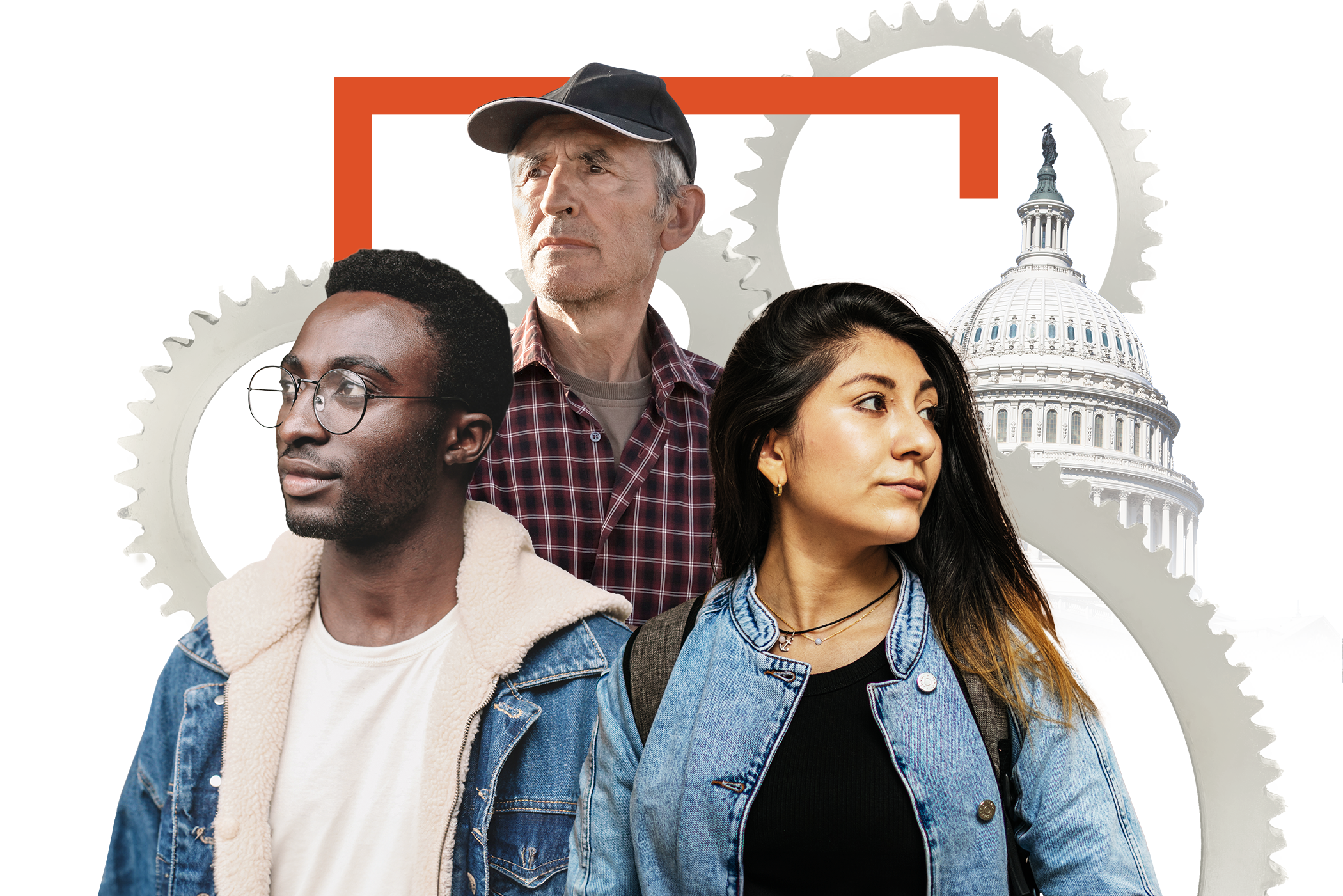
We are in a period of social transformation that is reshaping how people understand the world. Common assumptions are being disrupted and a new cultural common sense is up for grabs. Can we move our society toward a more just and democratic future?
WHAT WE DO
About the Culture Change Project
The FrameWorks Institute’s Culture Change Project helps movements, advocates, organizers, and storytellers understand our shifting cultural terrain and build the narratives needed to advance democracy, justice, and collective freedom in the United States.
Here’s how we do it:
–We conduct cutting-edge research on how people make sense of the world, tracking how public thinking is evolving across issues and over time.
–We develop and test frames that help movements win the fights of the moment while building support for systemic change long-term.
–We support fields and movements in applying these insights in real-world work: from advocates working for racial or gender justice, to organizers strengthening our democracy, to creatives bringing systems and power into view in pop culture.
WHY IT MATTERS
The Fight for the Future is Cultural
Systems change depends on cultural change. In times of tumult, societies reorganize institutions, policies, and power. Earlier shifts in American common sense helped create the New Deal order, expand civil rights, and later usher in a neoliberal era of deregulation and inequality. Today, another transformation is underway. The Culture Change Project exists to help movements navigate this transition and build a more democratic and just future.
WHAT WE’RE FINDING
The Contests Shaping American Culture
Core assumptions about society are being displaced by social and political upheaval. How we frame these conversations determines which vision for the future Americans adopt.
Here's a look at some of the key cultural contests shaping the future of our democracy—and how we can navigate them:
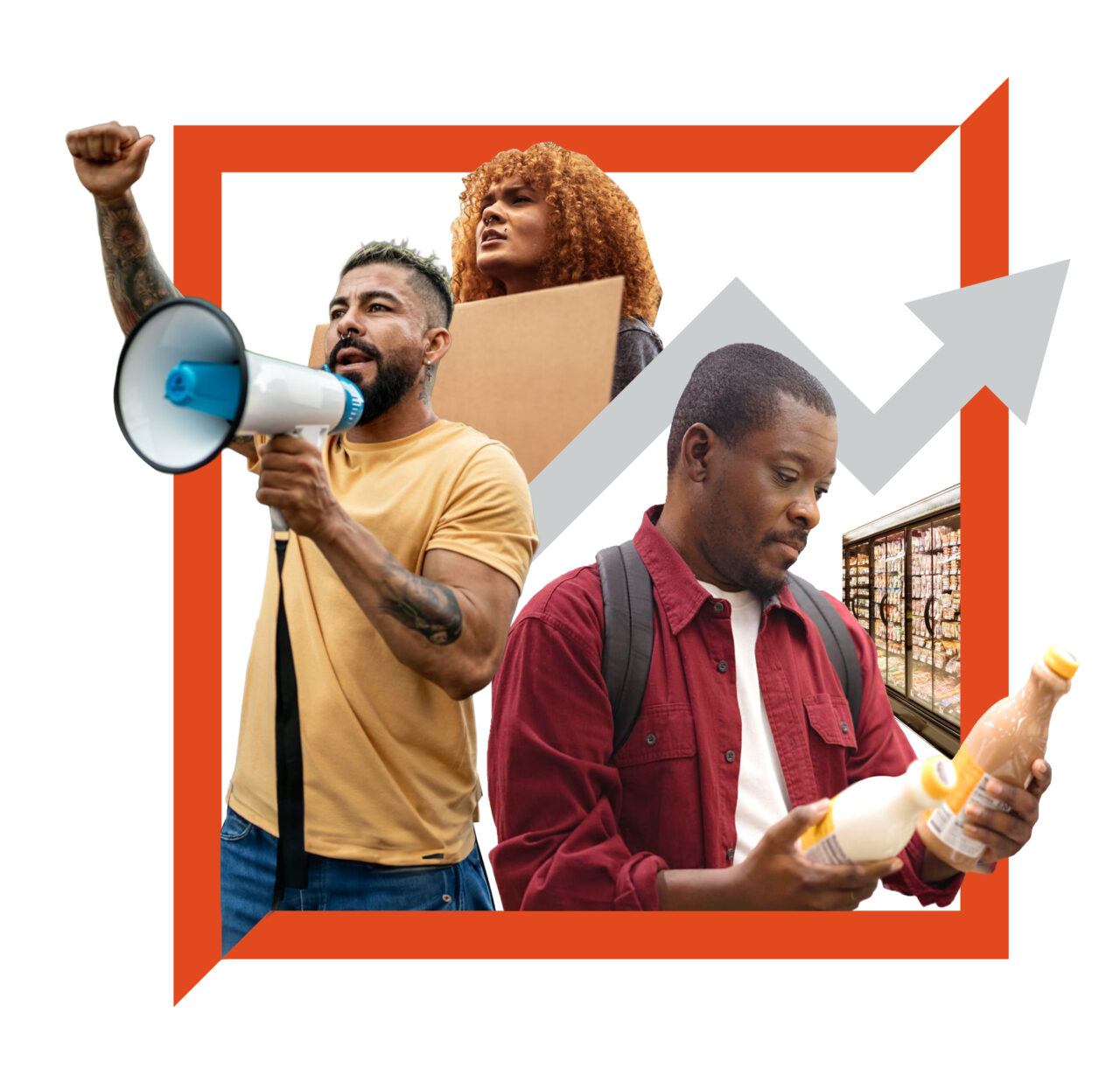
Across the political spectrum, Americans see the system as rigged against them by the powerful few. But there’s little agreement about who is rigging the system against whom. Regardless of how they fill in the blanks, people struggle to imagine how the system can be un-rigged. This is a significant opportunity for narrative strategy to help channel Americans’ frustrations away from authoritarianism and toward more just, democratic solutions.
Americans yearn for greater unity, but people draw on very different ideas of what unity means or requires depending on how “unity” is framed. Does it require addressing the injustices of the past and present to achieve unity across difference, or is it about restoring the social hierarchies of the past and returning to an imagined ideal past? The narratives we advance can influence which version of unity people have in mind, the policies and solutions they support, and who is included and excluded in a truly united United States.
At times, Americans think of voting as equal to democracy, with other forms of participation out of view. Other times, democracy is understood as a political system in which the government does what the people want. Alternately, democracy is seen as “whatever the U.S. does,” limiting people’s ability to see anything that happens in the U.S. as antidemocratic. Our framing choices can influence which of these (or other) ways of thinking are activated, potentially opening doors to solutions that can bolster and strengthen our democracy.
Americans overwhelmingly equate government with the character and preferences of individual leaders. While this makes it easy to see the need for new leadership, it leaves systems and institutions—the actual rules and structures that distribute power—in the background. By shifting the focus from “bad leaders” to “designed systems,” we can move public demand away from strongman saviors who promise to tear everything down and toward support for the structural, democratic reforms we need.
Many people seem unsatisfied by dominant mindsets, yet for most of the public, alternative understandings of gender are missing. More than almost any other mindset we study, this mindset is linked to staunch support for upholding the status quo across issue areas. Similar to issues of racial justice, understandings of gender and gender justice must be recognized and combatted across social issues.
New Resources
The State of American Culture 250 Years In
FrameWorks research points to five defining cultural contests of this moment: what it means to say “the system is rigged;” whether Americans understand economic inequality as natural or designed by humans and systems; whether widespread distrust of government fuels authoritarianism or democratic reform; what kind of unity the country is reaching for; and whether gender is understood as a fixed, natural order or a social construction that can be remade.

WEBINAR SERIES
Culture, Mindsets, and Democracy: Navigating a Changing Landscape
We host bimonthly briefings with insights from our latest research into how Americans are thinking about democracy, our political system, and the Constitution—and what that means for those of us working to counter authoritarian threats and strengthen our democracy.
HOW WE WORK
Understanding the Cultural Terrain. Shaping What Comes Next.
Culture Tracking Survey
Fielded monthly, our survey tracks cross-cutting mindsets like individualism, system-is-rigged thinking, and fatalism, as well as mindsets on the economy, race and racism, government, democracy, and gender.
Interviews and Focus Groups
We conduct quarterly qualitative research—focus groups or one-on-one interviews—to understand how mindsets are being used to make sense of current events.
Frame and Narrative Testing
We develop and empirically test frames and narratives about contested issues in order to understand how to move mindsets and build demand for a more just, democratic future.
Tools and Guidance
We provide regular newsletters, briefings, and written tools to help partners navigate the shifting landscape and communicate effectively using research-backed strategies.
Strategic Partnerships
We maintain strong partnerships with organizations, movements, and storytellers to gain insight into how to respond to the evolving terrain.
Targeted Support and Consultation
We partner directly with organizations to provide intensive, research-driven support and hands-on guidance for their most critical campaigns.
OUR IMPACT
Supporting Movements in Real Time
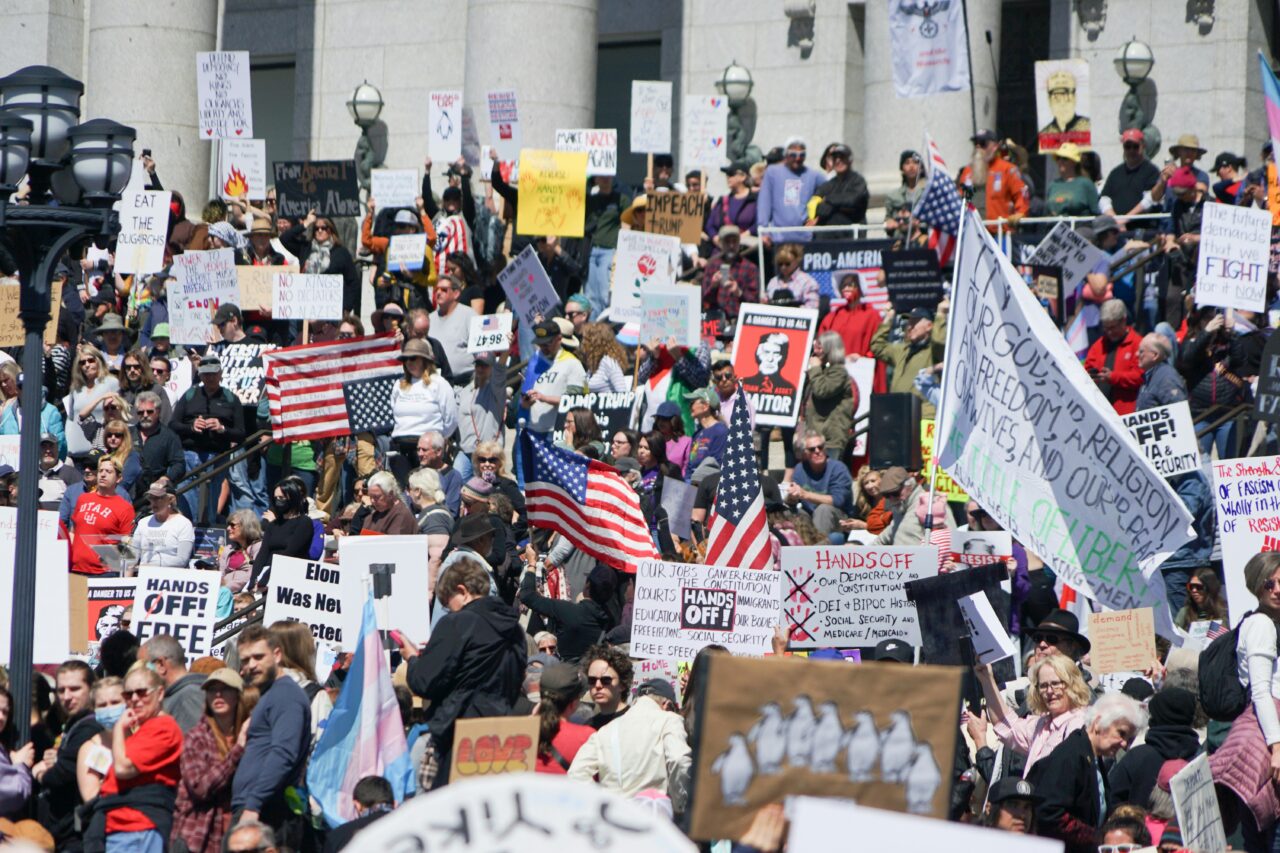
We work alongside advocates, organizers, communicators, researchers, and storytellers who are building the future in real time.
Our research has informed:
- Narrative strategies around democracy and political systems change
- Organizing campaigns focused on economic justice and tax reform
- Communications efforts around immigration enforcement and ICE
- Cross-sector narrative work on gender, care, and families
- Film and television projects that bring systems and power into view