Shifting Public Discourse on Vaccines
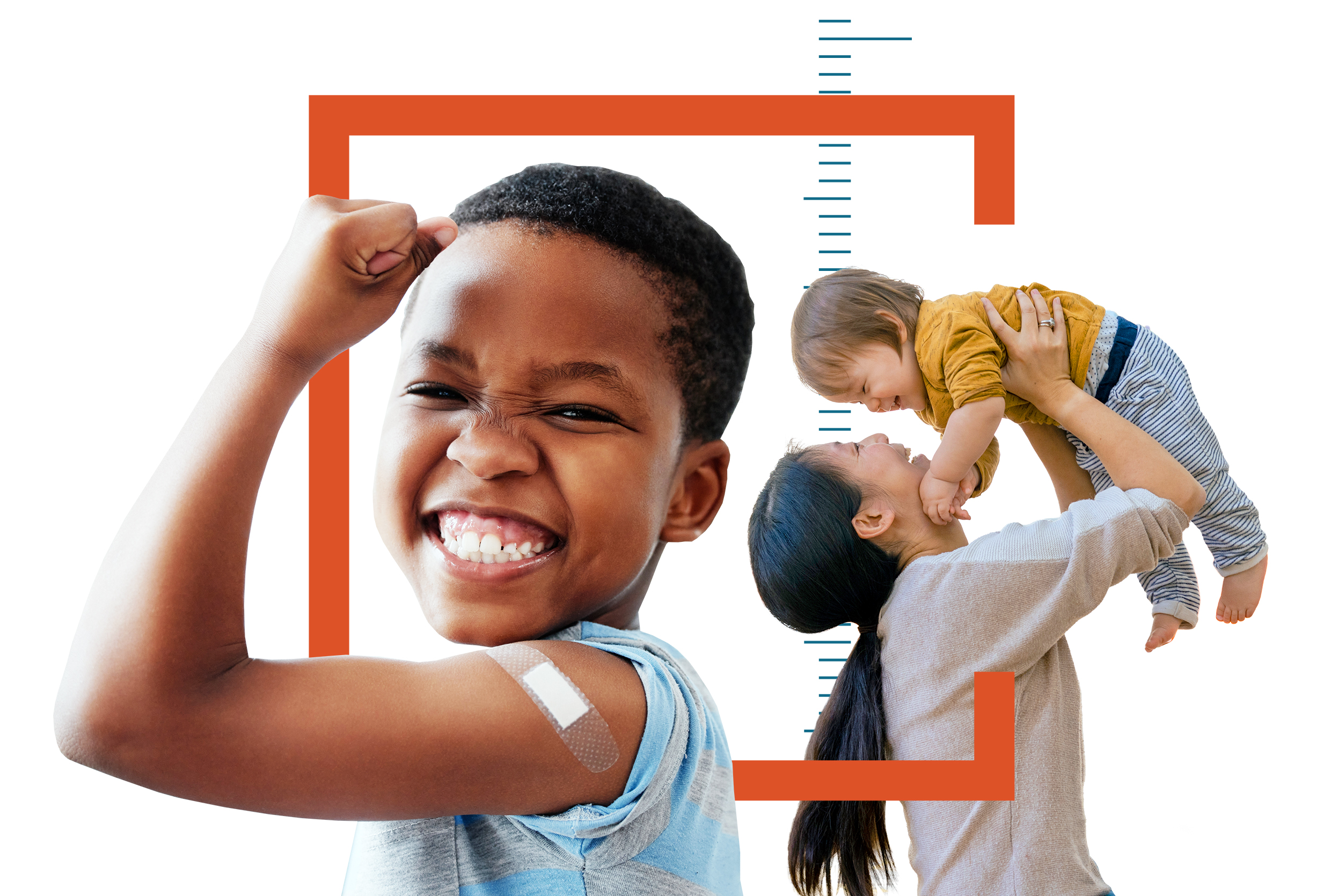
To make sense of vaccine hesitancy and counter misinformation, it helps to understand deep, widespread patterns in public thinking. By changing how we talk about vaccines to respond to public mindsets, advocates, storytellers, and healthcare professionals can help people see vaccination as one way we care for each other.
What the Research Tells Us
Focus on benefits, not risks.
Americans believe that because vaccines are made by people, they necessarily come with some level of risk. Our research shows that trying to directly counter that base assumption doesn’t get you very far. It’s better to make the case for why we get vaccinated: to keep our communities healthy and set kids up for long-term wellbeing.
Focus on evergreen explanations of how vaccines work.
When people think that vaccines work like medicine, or otherwise hold incomplete mental models, they are more susceptible to misinformation. Explanation of “the basics” is important. Tested metaphors can help, like comparing gaining immunity to learning to read, or comparing booster shots to updates for phones or tablets.
Talk about communities, not just individuals.
In the exam room, it makes sense to talk about personal choice. In the public square, it’s important to reframe vaccination as a collective issue. Across audiences, we found that the theme of “community” resonated deeply and boosted support for policies that improve vaccine access.
Resources / Vaccines
Framing Childhood Vaccination for Spanish Speakers in the United States
This research found that Spanish-preferring adults possess a high baseline understanding of how vaccines work and relatively low concern about
August 4, 2026

Boosting Public Discourse: Reframing Childhood Immunization
Find guidance and resources to advocate for expanding access to childhood and adolescent vaccination.
May 15, 2023